
Updated October 2026: we added links to related guides.
Indoor air isn’t always as clean as it looks. Dust, pet dander, pollen, smoke, mold spores, and even invisible gases can float around your home for hours. That’s where air purifiers come in.
If you’re wondering what is an air purifier and how it helps keep your room environment healthy, this guide breaks it down in simple terms.
What Is an Air Purifier?
An air purifier is a device designed to clean the air inside a room by pulling it through filters and removing harmful particles. The purified air is then released back into the space, creating a cleaner and more breathable environment.
Most air purifiers use a fan to circulate air through one or more layers of filtration. These filters trap pollutants that can trigger allergies, worsen asthma, or cause unpleasant odors.
How Does an Air Purifier Work?
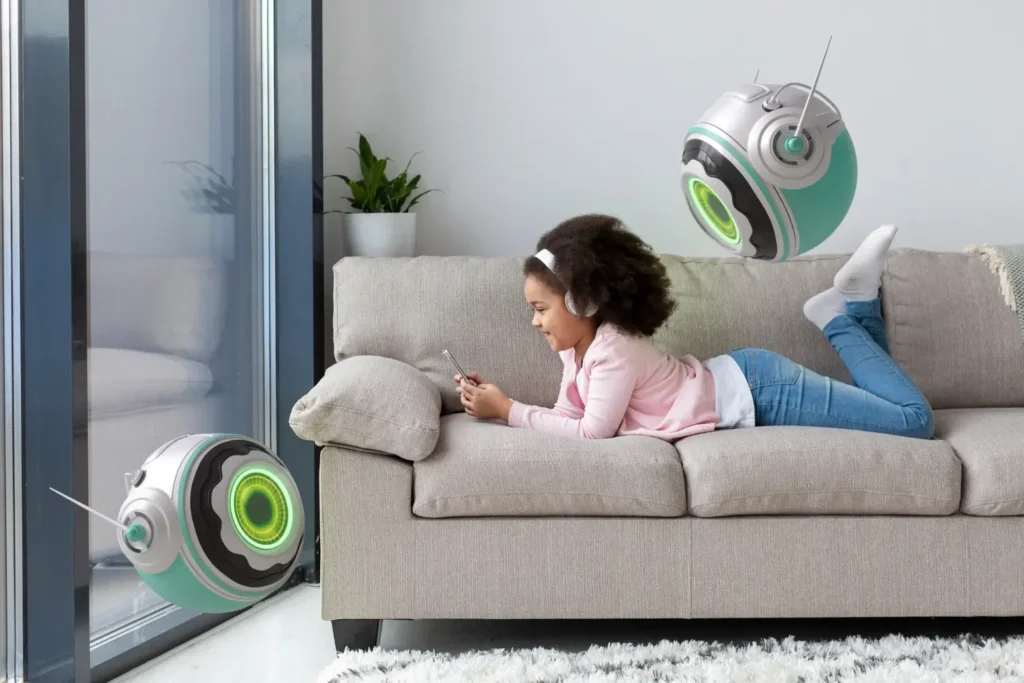
While designs vary by brand, the basic process is similar:
- Air intake: the unit draws in polluted air from the room
- Filtration: particles get trapped inside specialized filters
- Clean air release: purified air flows back into the space
Common filter types include:
HEPA Filters
High Efficiency Particulate Air filters are among the most effective. They can capture tiny particles like pollen, dust mites, pet dander, and smoke.
Activated Carbon Filters
These focus on removing odors, chemicals, and volatile organic compounds from cooking, cleaning products, or outdoor pollution.
Pre Filters
These catch larger debris such as hair and lint, helping extend the life of the main filter.
Some advanced models also include UV light or ionizers, though mechanical filtration remains the core method for most reliable air cleaning.
How Does an Air Purifier Help Keep Your Room Healthy?
Here’s what really matters. Using an air purifier in the right way can improve your room’s air quality in several important ways.
Reduces Allergens
Air purifiers can remove common allergy triggers like pollen, dust, mold spores, and pet dander. This can lead to fewer sneezing fits, less congestion, and more comfortable breathing, especially during allergy seasons.
Improves Sleep Quality
Cleaner air often means less nighttime coughing or irritation. Many people place air purifiers in bedrooms to create a calmer breathing environment while they sleep.
Removes Smoke and Odor
Whether it’s cooking smells, wildfire smoke, or cigarette odor drifting indoors, carbon filters help absorb gases that standard ventilation can’t easily remove.
Helps People With Asthma or Sensitivities
While an air purifier isn’t a medical treatment, reducing airborne irritants can make rooms more comfortable for people who are sensitive to dust, chemicals, or pollution.
Creates a Fresher Living Spac
Even without specific health concerns, cleaner air simply feels better. Rooms can smell fresher and collect less visible dust over time.
What an Air Purifier Cannot Do
It’s important to set realistic expectations.
An air purifier:
- doesn’t replace proper ventilation
- won’t eliminate moisture problems or fix mold growth on walls
- can’t stop pollution from entering if doors and windows stay open
For best results, combine a purifier with regular cleaning, vacuuming, and good airflow in your home.
Choosing the Right Air Purifier for Your Room
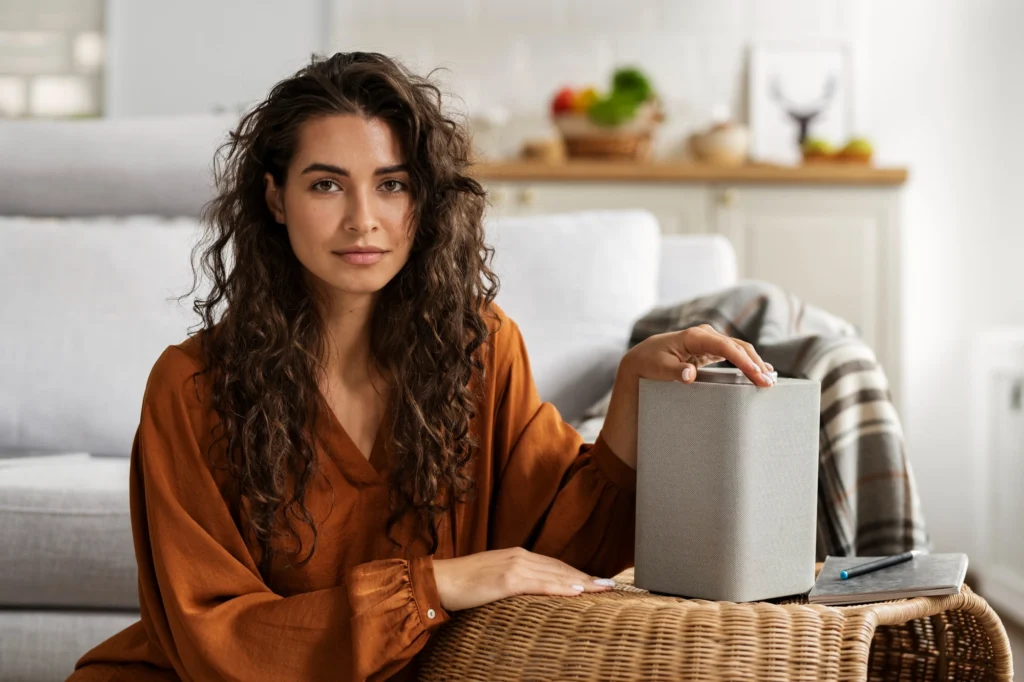
To get the most benefit, match the purifier to your space.
Look for:
- a room size rating that fits your square footage
- true HEPA filtration
- activated carbon for odors and gases
- quiet operation for bedrooms
- easy filter replacement
Placement also matters. Keep the unit in open space, away from walls, and in the room where you spend the most time.
Related Guides
- How to Choose the Right Air Purifier for Your Room Size and Needs
- Air Purifier Maintenance Guide: Filter Replacement, Cleaning, and Safety Tips
- Where Is the Best Place to Put an Air Purifier?
- Do Air Purifiers Really Help With Allergies and Asthma? What Science Says
Bottom Line
So, what is an air purifier and how does it help keep your room environment healthy?
An air purifier cleans indoor air by filtering out particles, allergens, smoke, and odors. Used correctly, it can make your space more comfortable, improve breathing, and support a healthier living environment.
At Air Purifiers Pro, we focus on practical guidance, honest product breakdowns, and buyer friendly tips to help you choose the right purifier for your home.
