
Updated October 2026: we added a filter replacement summary and links to related guides.
Buying a good air purifier is only half the job. If you want it to keep working properly, maintenance matters. Dirty filters, clogged vents, and poor cleaning habits can reduce performance and even shorten the life of the unit.
This air purifier maintenance guide covers everything you need to know about filter replacement, routine cleaning, and safety tips so your purifier keeps delivering clean air.
Why Air Purifier Maintenance Is Important
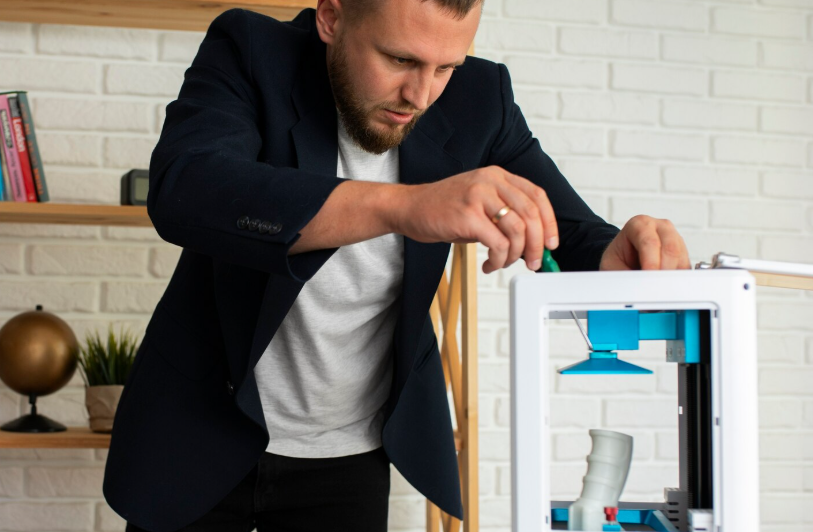
Air purifiers trap dust, pollen, smoke particles, and other pollutants. Over time, those contaminants build up inside the filters.
Without proper care:
- airflow drops
- filtration becomes less effective
- motors work harder
- noise levels can increase
- energy use may rise
Regular maintenance keeps your purifier efficient and protects your investment.
How Often Should You Replace Air Purifier Filters?
Filter replacement schedules depend on the model, filter type, and how polluted your environment is. Always check the manufacturer’s manual, but here are general guidelines:
Pre Filters
- usually washable or vacuumable
- clean every 2 to 4 weeks
- replace when damaged or no longer effective
HEPA Filters
- replace every 6 to 12 months
- sooner if you have pets, smoke indoors, or live in a polluted area
Activated Carbon Filters
- replace every 3 to 6 months
- odors returning is often a sign the filter is saturated
Many modern units include filter change indicators, but visual checks are still smart.
How to Clean Your Air Purifier Safely
Regular cleaning keeps airflow strong and prevents dust from circulating back into the room.
Step by Step Cleaning Process
- Turn off and unplug the unit before touching anything
- Remove filters according to the manual
- Vacuum vents and grills with a soft brush attachment
- Wipe the exterior with a dry or slightly damp cloth
- Clean washable pre filters and let them fully air dry
- Reinstall everything once completely dry
Never rinse HEPA or carbon filters unless the manufacturer specifically says they are washable. Most are not.
Signs Your Air Purifier Needs Attention
Watch for these warning signs:
- reduced airflow
- unusual smells
- louder than normal operation
- filter indicator light turning on
- visible dust buildup on vents
Ignoring these can lead to poor air cleaning and possible mechanical issues.
Important Safety Tips
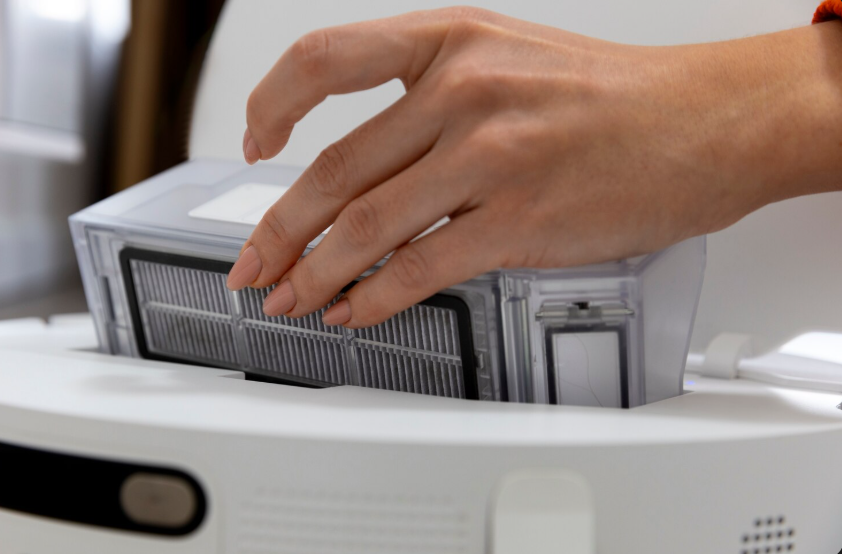
Air purifiers are generally safe, but following a few rules helps prevent problems.
- always unplug before cleaning
- keep cords away from heat or moisture
- place the unit on a stable surface
- don’t block air intakes or outlets
- use only manufacturer approved replacement filters
- avoid water near electrical components
If your purifier uses UV light or ionization features, follow the safety instructions closely and disable ozone producing modes when possible.
How to Make Filters Last Longer
You can extend filter life with simple habits:
- vacuum and dust your home regularly
- keep windows closed during high pollen or smoke days
- groom pets frequently
- run the purifier continuously on low or medium rather than short bursts on high
- clean pre filters often
These steps reduce the amount of debris reaching the main filter.
When to Replace the Entire Unit
Even with good maintenance, air purifiers don’t last forever. Consider upgrading if:
- replacement filters are no longer available
- performance has dropped significantly
- repairs cost more than a new model
- newer models offer much better efficiency
Most quality units last several years with consistent care.
Filter Care at a Glance
- Pre-filter: vacuum or rinse every 2–4 weeks if your manual allows it.
- True HEPA filter: typically every 6–12 months, sooner with pets, smoke or heavy use.
- Activated carbon filter: often every 3–6 months, or when odors start coming back.
- Always check your manufacturer’s schedule and filter indicator first.
Related Guides
- How to Choose the Right Air Purifier for Your Room Size and Needs
- Where Is the Best Place to Put an Air Purifier?
- What Is an Air Purifier and How Does It Help Keep Your Room Environment Healthy?
Bottom Line
Proper upkeep is the key to long term performance. This air purifier maintenance guide shows that timely filter replacement, routine cleaning, and basic safety habits keep your machine working efficiently and your indoor air healthier.
At Air Purifiers Pro, we focus on practical ownership advice, expert reviews, and buying guides so you can get the most out of your air purifier.
