
If your home feels dusty, dry, or damp, you might be shopping for something to improve your indoor air. That’s where confusion starts. Many people search for air purifier vs humidifier vs dehumidifier because these devices sound similar but solve very different problems.
Let me explain what each one does, how they differ, and which makes sense for your space.
| Feature | Air Purifier | Humidifier | Dehumidifier |
|---|---|---|---|
| Primary Purpose | Removes airborne pollutants | Adds moisture to dry air | Removes excess moisture |
| Improves Air Quality? | Yes, by filtering particles and odors | Indirectly, by improving comfort | Indirectly, by reducing mold risk |
| Controls Humidity? | No | Increases humidity | Decreases humidity |
| Helps With Allergies | Yes | Sometimes | Yes, if mold or dust mites are triggers |
| Reduces Mold Risk | Helps remove spores | Can worsen if overused | Yes |
| Removes Smoke & Odors | Yes, with carbon filters | No | No |
| Best For | Allergies, pets, smoke, pollution | Dry climates, winter air, sinus irritation | Damp homes, basements, humid regions |
| Common Rooms | Bedroom, living room | Bedroom, nursery, office | Basement, laundry room, bathroom |
| Maintenance Needed | Filter replacement and cleaning | Tank cleaning and refilling | Water tank emptying and coil cleaning |
| Typical Cost Range | Medium to high | Low to medium | Medium to high |
| Energy Use | Low to moderate | Low | Moderate to high |
| Can They Be Used Together? | Yes | Yes | Yes |
What Does an Air Purifier Do?
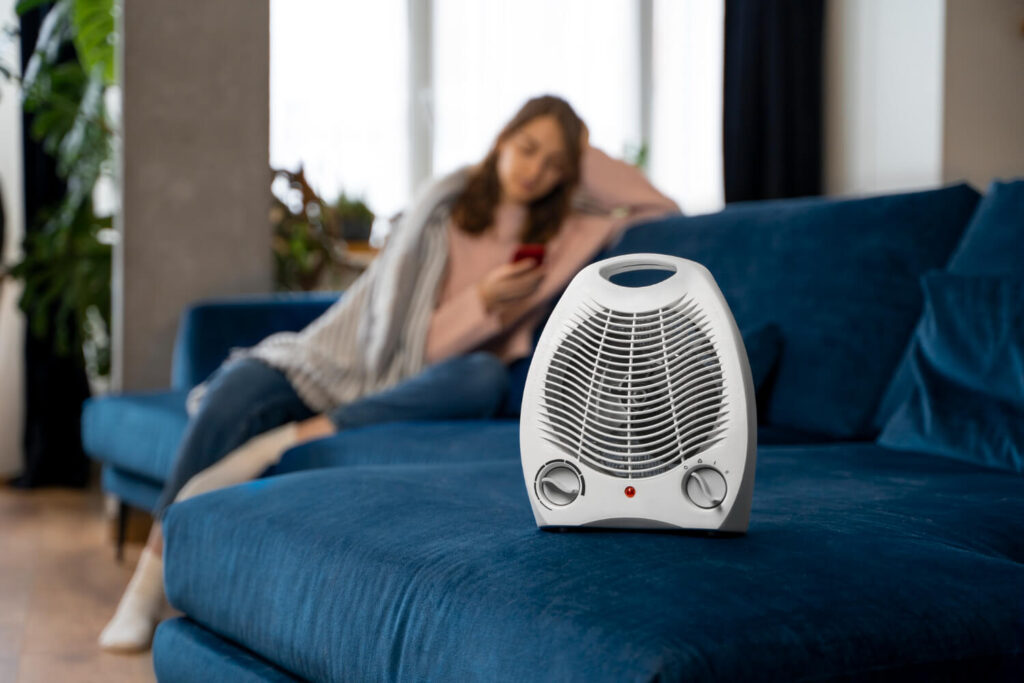
An air purifier cleans the air by removing airborne particles and pollutants. It pulls air through filters and traps contaminants before releasing the cleaned air back into the room.
Air purifiers are designed to reduce:
- dust and fine particles
- pollen and allergens
- pet dander
- smoke
- mold spores
- odors and chemical fumes (with carbon filters)
They do not add or remove moisture. Their job is filtration, not humidity control.
Best for: allergies, asthma triggers, smoke, poor air quality, homes with pets, or high pollution areas.
What Does a Humidifier Do?
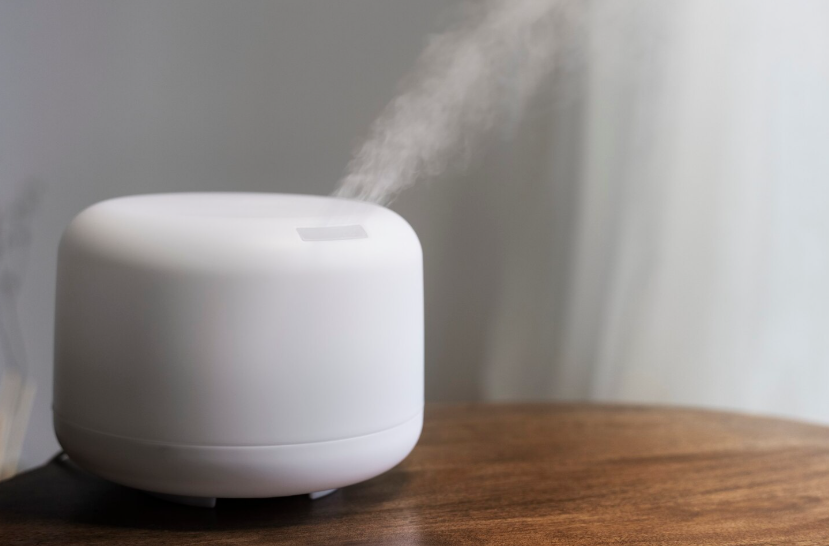
A humidifier adds moisture to dry indoor air. During winter or in arid climates, heating systems can strip humidity from the air, leading to dry skin, irritated sinuses, scratchy throats, and static electricity.
Humidifiers help by:
- increasing relative humidity
- easing dry nasal passages
- reducing dry skin and lips
- making rooms feel more comfortable
- protecting wood furniture from cracking
They don’t clean the air. If the water tank isn’t cleaned properly, some models can even release bacteria or mineral dust.
Best for: dry climates, winter heating season, sinus dryness, cracked skin, and static buildup.
What Does a Dehumidifier Do?
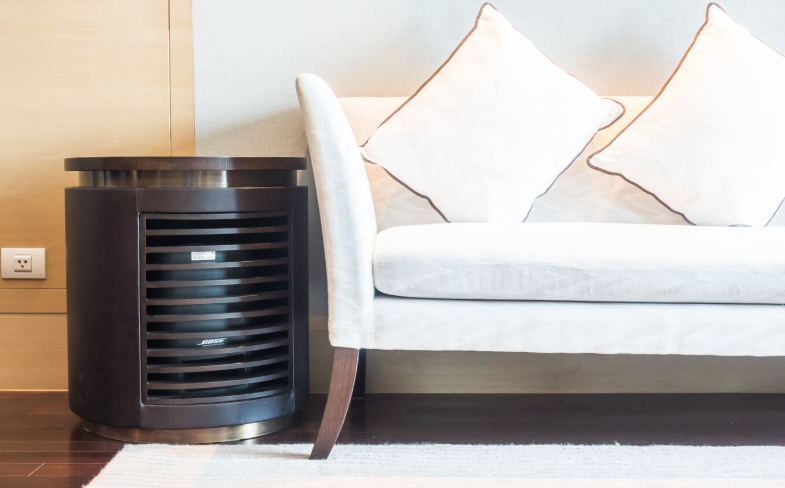
A dehumidifier removes excess moisture from the air. High humidity creates a perfect environment for mold, mildew, and dust mites.
Dehumidifiers work by pulling in moist air, condensing the water, and releasing drier air back into the room.
They help reduce:
- damp smells
- mold growth
- condensation on windows
- basement moisture
- dust mite populations
Like humidifiers, they don’t filter fine particles unless combined with a basic air filter.
Best for: humid climates, basements, laundry rooms, bathrooms, and homes with persistent dampness.
Key Differences at a Glance
Here’s the simple breakdown:
- Air purifier: removes particles and pollutants
- Humidifier: adds moisture to dry air
- Dehumidifier: removes moisture from humid air
They target completely different indoor air problems, even though they’re often discussed together.
Which One Do You Need?
Choosing between an air purifier, humidifier, or dehumidifier depends on what’s bothering you most.
You may benefit from an air purifier if:
- you suffer from allergies
- smoke or odors linger
- pets shed frequently
- dust builds up fast
You may need a humidifier if:
- your skin or throat feels dry
- static shocks are common
- wooden floors or furniture are cracking
- winter air feels harsh
You may need a dehumidifier if:
- your home smells musty
- you see condensation on windows
- mold spots appear
- basements feel damp
Some homes use more than one device in different rooms depending on seasonal needs.
Can You Use Them Together?
Yes. Many households run an air purifier alongside a humidifier or dehumidifier.
For example:
- an air purifier cleans allergens while a humidifier adds comfort in winter
- a dehumidifier controls moisture in a basement while a purifier removes mold spores upstairs
Just make sure humidity stays in a healthy range, usually around 30 to 50 percent.
Combo Units: Worth It?
Some products combine air purification with humidifying or dehumidifying features. These can save space, but performance varies.
Before buying a combo unit, check:
- room size coverage
- filter quality
- humidity control accuracy
- replacement part costs
- maintenance requirements
Dedicated machines often perform better at a single task, but combos can work well for smaller spaces.
Bottom Line
So when it comes to air purifier vs humidifier vs dehumidifier, the difference is simple.
Air purifiers clean the air.
Humidifiers add moisture.
Dehumidifiers remove moisture.
Each solves a different indoor comfort problem. Understanding your home’s air quality and humidity levels is the key to choosing the right one.
At Air Purifiers Pro, we focus on buyer education, honest comparisons, and practical guides to help you make smarter decisions about your indoor air.
